Ultralight Backpacking Gear You Shouldn’t Skip In 2026
Author:Andy
|
Released:February 1, 2026
Are you still hauling a 40-pound pack that leaves your knees screaming by noon? You might be missing out on the biggest gear shift in a decade. In 2026, ultralight backpacking gear isn't just for gear nerds anymore; it's for anyone who wants to hike further without the back pain. New materials have made pro-level kits cheaper and tougher. If you haven't checked your gear list lately, you're likely carrying dead weight that's slowing you down and ruining your views.
The Big Three Reset: Why 2026 Is Different
For years, going light meant spending a fortune or freezing in the woods. That's over. The Big Three—your shelter, sleep system, and pack—have seen a massive weight reduction thanks to improved fabrics. In 2026, most hikers' goal is to keep their base weight (everything except food and water) under 10 pounds.
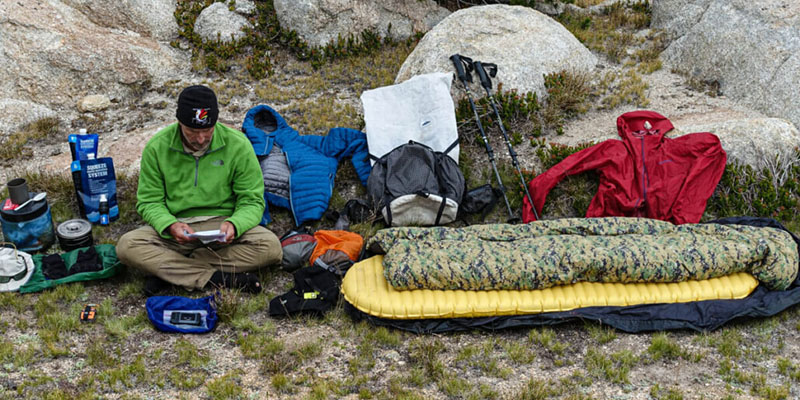
According to data from the National Park Service, proper gear prep is the top way to avoid trail fatigue and injury. When you carry less, you move faster and stay safer. The latest ultralight backpacking gear uses materials like Dyneema and 10D nylon that were once space-age but are now common in local shops.
The Hyperlite Backpack: Your Foundation For 2026
The centerpiece of any light setup is the pack. In 2026, the hyperlite backpack style—minimalist, waterproof, and tough—has become the gold standard. These packs eliminate heavy metal frames and extra zippers you don't need.
Why choose this style?
- Weight Savings: Most traditional packs weigh 4 to 5 pounds. A modern ultralight pack weighs under 2 pounds.
- Durability: New composite fabrics don't tear on branches.
- Simplicity: One big roll-top compartment means you spend less time digging for your snacks and more time hiking.
If you want to save your shoulders, look for a pack that puts the weight on your hips, not your spine. Even a small change here can make a 15-mile day feel like a 5-mile stroll.
Finding The Best Ultralight Tent For Your Budget
Your shelter is usually the heaviest thing in your bag. The best ultralight tent in 2026 isn't necessarily the most expensive one; it's the one that uses your trekking poles for support. By using the poles you already carry, you can eliminate the need for heavy tent poles.
These trekking pole tents can weigh as little as 1.5 pounds. Compare that to a standard 5-pound tent from a big-box store, and you've already saved more weight than a 2-liter bottle of water.
When shopping, look for:
- Single-wall vs. Double-wall: Single-wall tents are lighter but can get damp inside. Double-wall tents are better for rainy areas.
- Interior Space: Don't sacrifice sleep for weight. Make sure you can sit up straight inside.
- Setup Speed: A tent that takes 10 minutes to pitch in the rain is a bad tent. Look for pitch-in-one designs.
Sleeping Systems: Quilt Or Sleeping Bag?
The debate between a traditional ultralight sleeping bag and a backpacking quilt is finally settled: quilts are winning. A lightweight sleeping bag often has insulation on the bottom, but when you lie on it, you compress that fluff, reducing its effectiveness for warmth.
A quilted back removes the bag's back panel, saving weight and allowing you to move more freely. In 2026, high-fill power down (850 or 950 fill) is more affordable than ever. This means you can get a bag that keeps you warm at 20°F but weighs less than a loaf of bread.
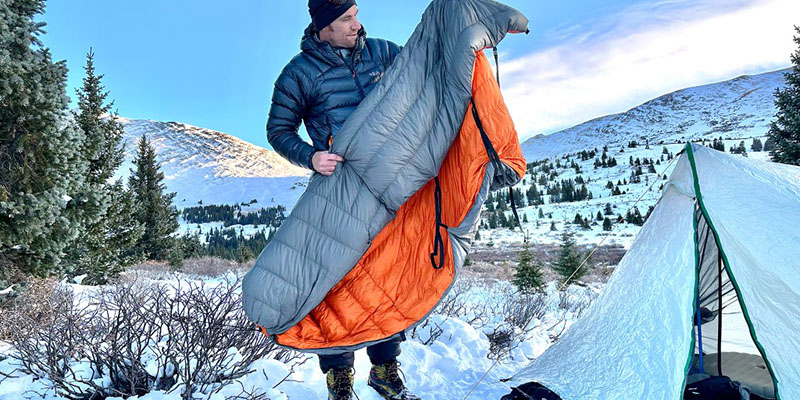
If you prefer a classic feel, a mummy-style ultralight sleeping bag with a center zip is the way to go. It keeps the heat in but stays under the 2-pound mark. Remember, a good night's sleep is what keeps you on the trail. Studies from the CDC show that physical recovery is tied directly to sleep quality, especially during high-effort activities like hiking.
The Small Wins: Saving Ounces On The Little Stuff
Once you fix your Big Three, it's time to look at the small items. This is where most people lose weight.
- Stoves: Swap that heavy integrated stove for a 1-ounce titanium burner.
- Water: Use a squeeze filter that screws onto a plastic bottle instead of a heavy pump.
- Clothes: Think in layers. One heavy jacket is worse than three light layers that you can swap as the sun moves.
Don't buy everything at once. Start with a scale. Weigh every item you own. If you haven't used a piece of gear in your last three trips, leave it at home. That costs zero dollars and instantly lightens your load
Buying Guide: How To Go Ultralight Without Going Broke
Going light can be expensive, but it doesn't have to be. Here is a simple plan to upgrade your kit for 2026:
- The Scale First: Buy a cheap kitchen scale. Knowledge is power.
- Used Gear Markets: Check sites for last year's models. A 2025 Hyperlite backpack is still 95% as good as a 2026 version.
- Focus on the Big Three: Don't worry about titanium spoons until you've fixed your 5-pound tent.
- Multi-use Items: Can your cook pot also be your coffee mug? Can your extra clothes be your pillow?
The goal isn't to have the most expensive gear; it's to have the most fun. A lighter pack means you can look at the trees instead of your boots.
Ready To Lighten The Load?
The world of ultralight backpacking gear is moving fast. By 2026, the gap between heavy and light gear has become a canyon. You don't need to be a marathon runner to enjoy a 20-mile weekend. You need to stop carrying things you don't need.
If you're curious about how your current setup stacks up, it's worth looking at the latest gear lists and comparison charts. You might find that for the price of a few fancy dinners, you can cut 10 pounds off your back.
Related Posts
Outdoor Gear
Emergency Bivvy Bags: What They Are And When You Need One
Outdoor Gear
6 Best Gaiters for Backpacking and Outdoor Adventures

Guides and Tips
How To Stay Energized During A Long Mountain Hike
Outdoor Gear
Why Your Hiking Boots Are Giving You Blisters (And How to Fix It)
Guides and Tips
Best Lightweight Hiking Gear For Long-Distance Trails With 17 Smart Picks That Stay Comfortable
Activities